
✔ LCWM Certified  |  GPS-Documented  |  Written Report Included

Rodent Inspection Riverview FL
We Find What Others Miss. Fast. Same Day.

Most pest companies do a 10-minute walkthrough. We do a GPS-photographed, 9-point entry audit with a written report you keep. No pressure. No sales pitch. Just answers — free.

Licensed & insured · Riverview, Brandon, Apollo Beach, Sun City · No contracts
Local
Inspection
9
Point Audit
GPS
Photographed
24hr
Same-Day Avail
Rodent entry point sealing inspection Riverview FL

Our 9-Point Inspection Checklist

Every inspection covers all 9 entry-point categories. We photograph each finding and document them in a written report you keep — whether or not you hire us.

1
Roofline & Fascia Gaps
Where roofing meets fascia boards — Florida’s #1 entry point for roof rats. We check every linear foot with a mirror and flashlight.
2
Soffit Vents
Plastic vents crack in Florida heat. We check for gnaw marks, warping, and screen integrity on every vent.
3
Pipe Penetrations
Plumbing, gas, and A/C line entries into the structure — often left unsealed by installers with gaps a rat can squeeze through.
4
Electrical Entry Points
Conduit and wire runs entering walls and attics. Rats use these as literal highways into your home’s structure.
5
A/C Chase Openings
HVAC duct passes through walls and floors — often completely unsealed behind unit cabinets. One of the most-missed entry points.
6
Gable Vents
Attic vents with damaged screens or wide louvers — rats push right through the slats. We test each one physically.
7
Drain Lines
Floor drains and condensate drain openings — rats swim through sewer lines and emerge here. We check all accessible drain access.
8
Foundation Gaps
Cracks where block or slab meets framing — Norway rats enter from below; roof rats drop in from above. We inspect from both sides.
9
Door & Window Gaps
Worn weatherstripping and misaligned frames — a quarter-inch gap is enough for a young rat. We measure and document every gap found.

5 Signs of Active Infestation We Look For

Beyond entry points, we look for active evidence inside your attic, walls, and crawlspace. These signs tell us how many rodents and how long they’ve been there.

💩
Droppings
Rat droppings are 3/4″ capsule-shaped pellets. Mouse droppings are smaller and pointed. We identify species from droppings alone and estimate population size from density.
🦷
Gnaw Marks
Fresh gnaw marks are light-colored wood with no oxidation. Old marks are dark. We document location and size — large marks mean rats; small, scattered marks mean mice.
👣
Tracks & Runways
Rodents follow the same paths every night. We use UV flashlights to reveal urine trails and track patterns in attic insulation — showing us their travel routes.
🖤
Grease Rubs
Dark smear marks where rodents repeatedly brush against walls and beams. These “rub marks” show high-traffic entry and travel routes — and tell us where to focus sealing.
🪺
Nesting Material
Shredded insulation, paper, fabric, and plant material packed into hidden corners. Active nests mean breeding is happening. We locate and document every nest found.

What’s Included in Your Local Inspection

No 10-minute walkthrough. No sales script. A real inspection that gives you real answers about what’s in your home and how they’re getting in.

📍
GPS-Photographed Entry Audit
Every potential entry point photographed with GPS coordinates. You see exactly what we find, exactly where we found it — documented in real time.
🔦
Attic & Crawlspace Inspection
We go where other companies don’t. Full attic inspection with UV light for urine trails, track patterns, nesting sites, and evidence of active movement.
📋
Written Report — Yours to Keep
You receive a written summary of all findings: entry points found, evidence of activity, species identification, and severity level. No obligation to hire us.
💰
Flat-Rate Quote On-Site
If you want us to seal, we quote a single flat-rate price on the spot — no monthly contracts, no bait-and-switch. The price we quote is the price you pay.
🎯
Species Identification
Roof rat, Norway rat, or mice — each requires a different exclusion approach. We identify the species from evidence and explain why it matters for your specific situation.
⏱️
Same-Day Availability
We know the sounds in your ceiling at 2am aren’t something you want to wait a week to address. We offer same-day and next-day inspection slots throughout Riverview.

Every Day You Wait, They’re Breeding

5–8
Punds Per Litter
5
Litters Per Year
40+/pair
Rodents by Spring

A pair of roof rats that entered your attic in October can become 40+ rodents by spring — chewing wires, contaminating insulation, and nesting in your HVAC ducts. The longer you wait, the more expensive the fix.

Rodent entry point sealing inspection Riverview FL

Frequently Asked Questions

Is the inspection really free? What’s the catch?
Completely free — no credit card, no contract, no obligation. We do free inspections because most people who get a thorough inspection and a clear answer hire us. The ones who don’t still tell their neighbors. It works out.
How long does the inspection take?
Most residential inspections take 45–75 minutes. We don’t rush — a thorough inspection is the whole point. Larger properties or ones with extensive attic access may take up to 2 hours.
Do I need to be home during the inspection?
Yes, we need access to your attic, crawlspace, and exterior. We also want you to see what we find — so you understand the situation firsthand rather than just hearing about it secondhand.
What if you don’t find anything?
We’ll tell you exactly that — and what you heard that made you suspicious. Sometimes it’s squirrels on the roof, a plumbing rattle, or wildlife in the yard. We’d rather give you peace of mind than invent a problem that doesn’t exist.
Can you do same-day inspections in Riverview?
Yes — we prioritize same-day and next-day slots for Riverview, Brandon, Apollo Beach, and Sun City. Call before noon for highest chance of same-day availability. Evening slots available by request.
I had a general pest inspection — why do I need a rodent-specific one?
General pest inspectors are not trained for the roofline and attic access points that rodent specialists look for. We routinely find active evidence on properties that passed a general pest inspection weeks earlier. If you have symptoms — sounds, odor, droppings — trust your senses over a general pest report.
Can I use your inspection report for a real estate transaction?
Yes. Our written inspection report meets Florida real estate disclosure standards. We can also provide a post-exclusion clearance letter confirming the structure has been sealed and cleared of rodent activity — increasingly requested by buyers’ agents in Hillsborough County.
Do you use thermal cameras on every inspection?
Yes — thermal imaging is standard on every inspection. Rat body heat shows clearly in attic spaces and wall cavities, letting us locate active runways and nest sites without destructive access. Combined with high-lumen visual inspection and odor assessment, nothing gets missed.

What Your Inspection Report Covers

Our written inspection report is a complete structural document you can use for insurance claims, contractor quotes for repair work, or real estate transactions. It is not a verbal summary — it is a dated, signed document with photographs.

Section 1
Exterior Entry Point Inventory
Every exterior opening documented: location (compass direction and height), approximate dimensions, material condition, and GPS photo. Each point is numbered and mapped to a property diagram.
Section 2
Activity Assessment
Infestation stage classification (early, active, or historic), species identification, evidence type (fresh droppings, grease trails, runway compression, nesting material), and estimated population range.
Section 3
Structural Damage Observation
Documented observations of chewed wiring insulation, compromised HVAC ductwork, contaminated insulation areas, and damaged structural materials. This section is your insurance adjuster’s primary reference.
Section 4
Flat-Rate Remediation Quote
A complete, itemized written quote for all exclusion and removal work identified. No hidden add-ons after work begins. You approve the scope in writing before a single fastener is driven.
How to Use Your Report
✓Submit to your homeowner’s insurance adjuster for damage claims
✓Disclose to buyers as part of your real estate transaction
✓Get second quotes from contractors using our documented entry point inventory
✓Verify completed exclusion work was done correctly after any contractor

What We Find on Every Riverview Inspection

After hundreds of inspections across Riverview zip codes, these are the patterns we see on nearly every property

11
Average Entry Points Per Home
The range runs from 5 on newer well-maintained homes to 23+ on older properties near waterways. Most homeowners estimate 2–3. This gap in expectation is why DIY exclusion consistently fails.
76%
of Inspections Find Active Infestation
Three in four homes we inspect have active evidence — fresh droppings, grease trails, or live animals. The remaining 24% show historic evidence, meaning a past infestation that sealed entry points can prevent from returning.
60%
Have Wiring or HVAC Evidence
More than half of active infestations show evidence of wire chewing or HVAC duct damage that the homeowner was unaware of. Left unaddressed, this is both an electrical fire risk and a hidden AC efficiency drain.
40%
Had Prior “Exclusion” That Failed
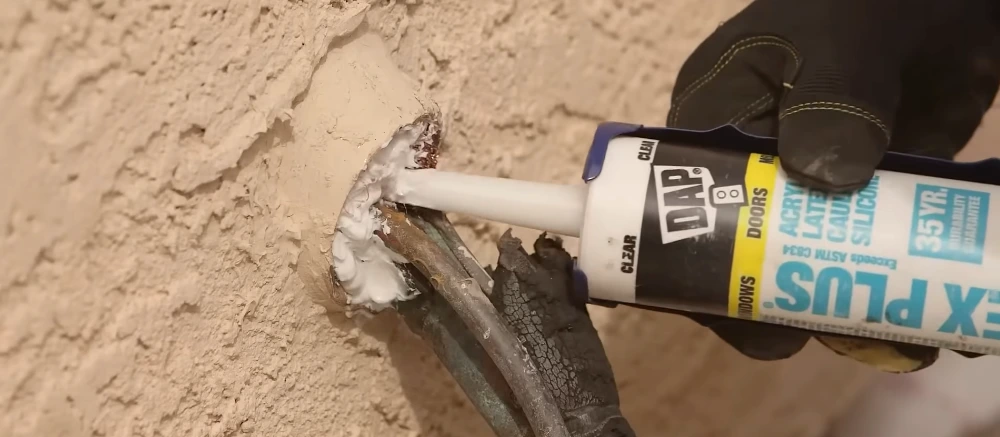
Nearly half of our re-inspection calls are from homeowners who paid a pest company for “exclusion” that used foam, caulk, or light-gauge mesh. We document every failed point and show you exactly where the previous work fell short.

How to Prepare for Your Inspection Day

Most homeowners don’t need to do anything special — we work around you. But a few simple steps make the inspection more efficient and give us better data.

1
Give us attic access
If you have an attic hatch, make sure it’s accessible and not blocked by stored items. We need 90 minutes minimum in the attic on active-infestation properties. If your attic hatch is inside a closet, empty the floor space below it.
2
Walk the exterior perimeter before we arrive
Note where you have heard sounds, found droppings, or smelled odors. Even rough notes (“scratching sound near master bedroom ceiling”) help us prioritize during the inspection and often lead directly to the nest site.
3
Pull back garage storage from walls
Garage walls and ceiling cavities are common secondary infestation sites that homeowners overlook. Pulling storage back 18 inches from the perimeter walls gives us visual access to the wall base and corner gaps.
4
Turn off HVAC for the hour before
In quiet conditions, we can often hear rats moving in attic bays and identify primary runway areas by sound before physically entering the attic. HVAC noise masks this completely.

Get Answers Today.
Trusted Local Inspection.

GPS-photographed 9-point audit. Written report you keep. Flat-rate quote on-site. No contracts, no pressure.